
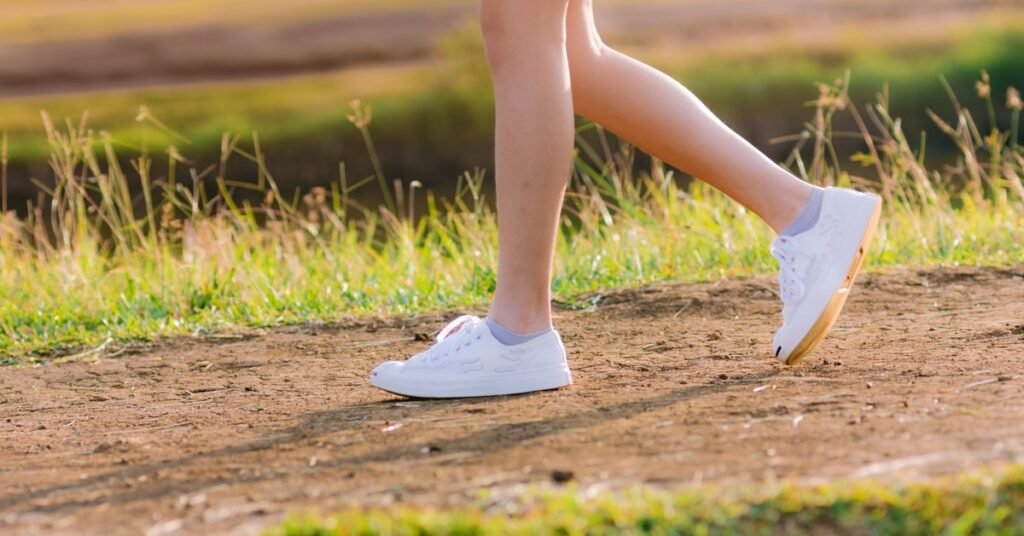
Somewhere after 50, the flats and fashion sneakers that felt fine for years start causing real problems — an ache in the arch by midday, a burning heel, knees that complain on the walk home. Finding the best walking shoes for women over 50 isn’t about vanity at that point. It’s about being able to keep doing the thing that’s genuinely one of the best things you can do for your health: walking, regularly, without pain getting in the way.
The right shoe won’t fix every foot issue on its own, but it removes one of the biggest barriers to staying active. Here’s what actually matters when you’re choosing, and three pairs worth trying.
The Problem: Feet Change, and Most Shoes Don’t Keep Up
After 50, the fat pads that cushion the bottom of your feet naturally thin out, arches can drop slightly, and years of wear take a toll on joints that used to bounce back easily. A shoe that felt perfectly fine at 35 can genuinely hurt at 55 — not because anything is wrong with you, but because your feet have changed and the shoe hasn’t.
Plantar fasciitis, bunions, and general joint stiffness are also more common at this stage, and the wrong shoe can make all three noticeably worse. This content is for informational purposes only. Consult your healthcare provider or a podiatrist before making changes to your routine if you have a diagnosed foot condition or persistent pain.
There’s a cost side to this too. Many women keep wearing an old, worn-out pair simply because replacing shoes feels like an unnecessary expense — until the discomfort adds up to skipped walks, which is a worse trade than the price of a new pair. A properly fitted, supportive shoe is one of the more cost-effective investments in staying active after 50.
The Solution: What to Look for in the Best Walking Shoes for Women Over 50
The best walking shoes for women over 50 share a few specific features, regardless of brand or price point:
Real arch support, not just a soft footbed
A cushioned insole feels nice in the store but doesn’t always support your arch through miles of actual walking. Look for shoes with a structured midsole or a named arch-support technology, not just marketing language about “comfort.”
A wide enough toe box
Feet tend to widen slightly with age. A narrow toe box that pinches will cause problems no matter how good the cushioning is elsewhere. Many brands now offer wide and extra-wide options specifically for this reason.
Enough cushioning to absorb impact
Thinner natural fat pads mean your shoe needs to do more of the shock-absorbing work than it used to. This doesn’t mean maximalist running shoes — it means a genuinely cushioned midsole rather than a thin, flat sole.
Breathable materials
Mesh uppers that let your feet breathe reduce swelling and discomfort on longer walks or warm days — a small detail that matters more than it sounds, especially if you walk daily rather than occasionally.
A stable heel counter
The firm part of the shoe that wraps around your heel should hold it steady without excessive side-to-side movement. This matters more for balance and joint alignment than most people realize.
How to Choose the Right Pair for Your Feet
Choosing among the best walking shoes for women over 50 comes down to matching the shoe to your specific foot, not to what worked for a friend or what’s trending. Two women with the same shoe size can need completely different shoes depending on arch height, width, and walking gait.
- Identify your main concern first. Plantar fasciitis and heel pain point toward maximum cushioning. Bunions or wide feet point toward a wide toe box. General stiffness points toward a stable, supportive everyday shoe.
- Shop in the afternoon. Feet swell slightly over the course of the day — trying shoes on then gives a more accurate fit than shopping first thing in the morning.
- Bring your usual socks. The thickness of your typical walking sock changes how a shoe fits.
- Walk around the store, not just stand. Ten minutes of actual walking reveals rubbing or pressure points that standing still never will.
- Replace them on schedule. Most walking shoes lose meaningful cushioning after 300–500 miles, or roughly 6–8 months of regular use — even if they still look fine from the outside.
Common Mistakes When Buying Walking Shoes
Even after narrowing down the best walking shoes for women over 50 on paper, a few common buying mistakes can still undo all that research.
Buying based on looks alone. A stylish sneaker that doesn’t support your specific foot shape will cause problems no matter how good it looks with an outfit.
Sticking with your old size out of habit. Foot size and shape can shift over the years. It’s worth getting measured again rather than assuming your size hasn’t changed since your 30s.
Ignoring width. A shoe that’s the right length but too narrow is one of the most common causes of forefoot pain. Don’t force a fit that isn’t there.
Waiting for pain before replacing worn shoes. By the time a shoe actively hurts, the cushioning has usually been breaking down for weeks. Track mileage or simply replace on a schedule rather than waiting for a signal that arrives too late.
Best Walking Shoes for Women Over 50: Our Picks
This post contains affiliate links. If you purchase through them, I may earn a small commission at no extra cost to you. I only recommend products I genuinely believe in.
1. New Balance Women’s Made in USA 990v6
A long-trusted classic for good reason. The ENCAP midsole combines lightweight foam with a durable support rim for genuinely all-day cushioning, and the fit runs true with reliable width options — a dependable choice if you haven’t found “your” walking shoe yet.
New Balance Women’s Made in USA 990v6
2. Skechers Women’s GOwalk Arch Fit
Built specifically around arch support, with a removable Arch Fit insole and a slip-on design that’s genuinely easy on hands with any joint stiffness. A strong pick if plantar fasciitis or arch pain is your main concern.
Skechers Women’s GOwalk Arch Fit
3. Brooks Women’s Ghost 18
A smooth, cushioned ride that works equally well for walking and light jogging, with a reputation for durability that holds up well past the average shoe’s lifespan. A solid all-around choice if you want one shoe that does everything well.
FAQ
Should women over 50 avoid high heels entirely?
Not entirely, but limiting them to special occasions is worth considering. Regular high heel use adds joint stress that compounds over the years — saving them for a few hours here and there rather than daily wear is a reasonable middle ground.
What’s the best shoe for plantar fasciitis specifically?
Look for maximum arch support and a cushioned heel — the Skechers Arch Fit line and shoes like the Brooks Ghost are commonly recommended by podiatrists for this specific issue, though everyone’s feet respond differently.
How often should I replace walking shoes?
Every 300–500 miles, or about 6–8 months of regular use. Cushioning breaks down gradually and invisibly, so “they still look fine” isn’t a reliable sign that they’re still doing their job.
Do I need different shoes for walking versus running?
Not necessarily. Many shoes, including the Brooks Ghost, are built to handle both well. If you only walk, you have more flexibility in choosing a shoe optimized purely for comfort and support.
Are expensive walking shoes actually better?
Not always. Fit and support matter more than price. A $70 shoe that fits your foot shape correctly will serve you better than a $180 shoe that doesn’t — which is really the whole story behind finding the best walking shoes for women over 50 on any budget.
Is it normal for my shoe size to change after 50?
Yes. Ligaments naturally loosen somewhat with age, which can cause feet to widen or lengthen slightly. Getting measured again every couple of years, rather than assuming, is a simple way to avoid an ill-fitting shoe.
Can the right shoes actually reduce knee or hip pain?
For many women, yes — proper cushioning and alignment support can meaningfully reduce the impact that travels up through the knees and hips during walking. It’s not a guaranteed fix, but it’s a factor worth addressing before assuming the pain is unrelated to footwear.
Conclusion
Finding the best walking shoes for women over 50 really comes down to fit above everything else. Check current prices and availability and find your perfect fit — not the shoe that looks best, but the one that lets you walk as far as you want to, as often as you want to, without your feet asking you to stop early. If the first pair you try doesn’t feel right after a short walk around the house, trust that feeling and try another — most retailers allow easy returns specifically because fit is so individual.
If foot and joint comfort is part of a bigger movement routine, our guide to simple daily movement habits after 50 covers what else supports staying active consistently.
Source: American Podiatric Medical Association — Shoe Selection and Foot Health Guidance