
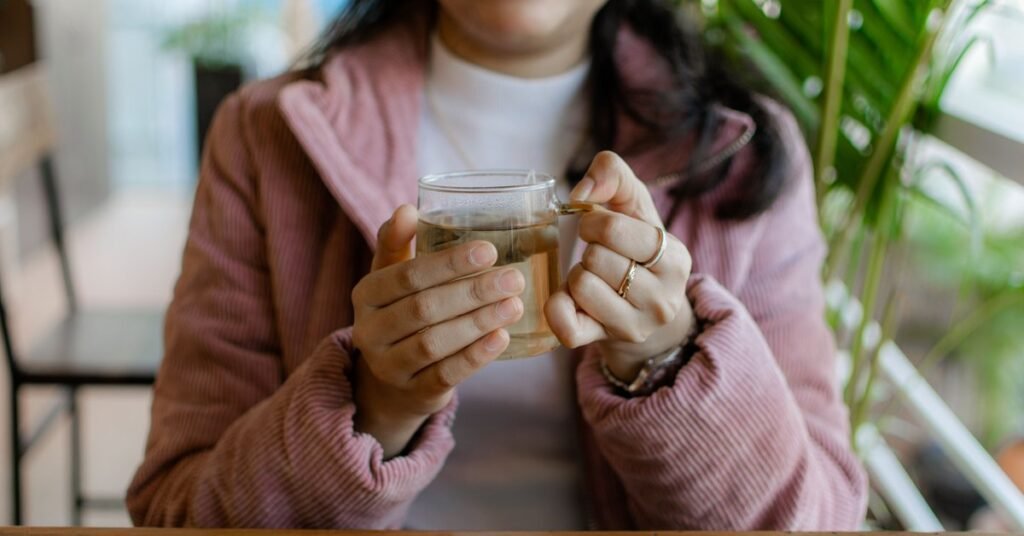
A warm cup of tea won’t cure a hot flash mid-sentence, but the right herbal tea for menopause symptoms can genuinely become part of how you manage the harder days — the restless nights, the wired-but-tired afternoons, the moments when your body feels like it’s running its own agenda. Not a fix, but a small, reliable comfort you can lean on daily.
Not every tea on a grocery shelf lives up to its label, though. Some are backed by real research on hormonal symptoms; others are mostly marketing with a floral name. Here’s what’s actually worth keeping in your cupboard.
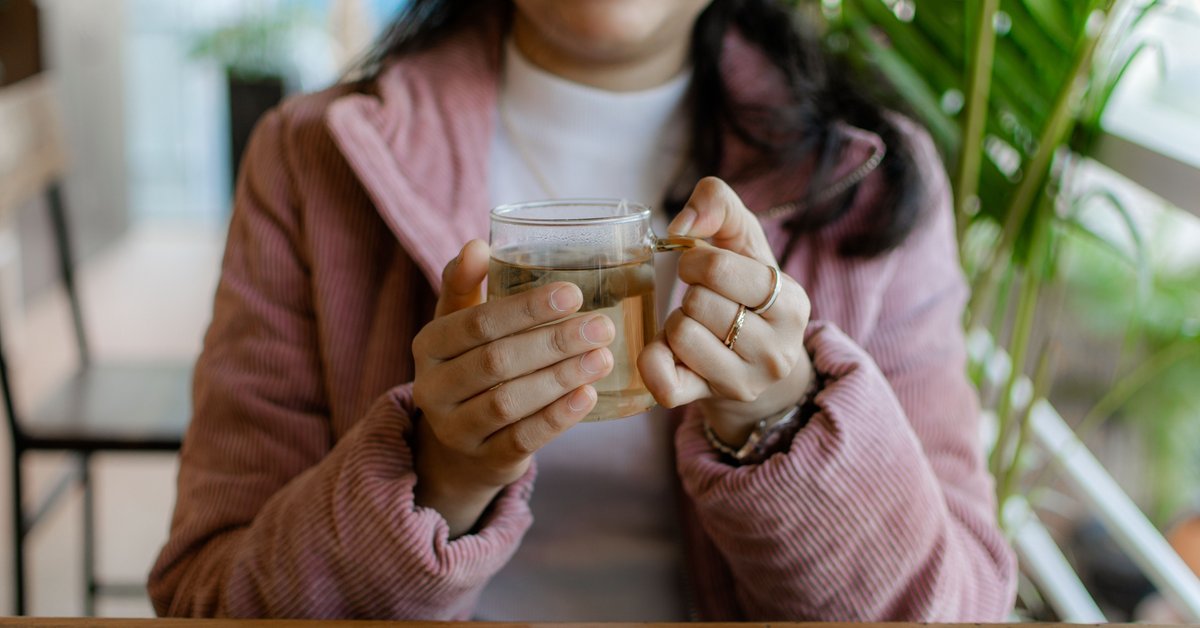
The Problem: Menopause Symptoms That Don’t Wait for Bedtime
Hot flashes, disrupted sleep, and a low hum of anxiety are some of the most common complaints during perimenopause and menopause, and they rarely show up on a convenient schedule. This content is for informational purposes only. Consult your healthcare provider before making changes to your health routine, especially if you take medication or have a hormone-sensitive condition.
Prescription options exist, and for many women they’re the right call. But a lot of women are also looking for something gentler to reach for during the day — something between “doing nothing” and “starting a new medication.” That’s where a good herbal tea for menopause symptoms tends to fit in.
There’s also a simple, physical piece worth naming: warm liquids and the ritual of pausing to drink them slowly activate the body’s rest response in a way that scrolling your phone during a stressful moment does not. Part of what makes herbal tea for menopause symptoms effective isn’t just the plant compounds — it’s the five minutes of actually sitting still.
The Solution: What the Research Actually Supports
A few herbs have real evidence behind them for menopause-related symptoms, even if the research is still developing. Chamomile has documented calming effects that may ease the anxiety and sleep disruption common during this stage. Red clover and certain other botanicals contain plant compounds called isoflavones, which some research suggests may modestly reduce hot flash frequency in some women, though results across studies are mixed. Raspberry leaf has a long history of traditional use for women’s hormonal health, though clinical evidence is more limited than for chamomile.
The honest answer is that herbal tea works best as one part of a broader approach — alongside good sleep habits, movement, and any treatment your doctor recommends — not as a stand-alone solution.
Worth noting: not every “menopause tea” on the market has ingredients backed by any research at all. Some blends lean heavily on marketing language — “hormone harmony,” “balance blend” — without disclosing meaningful amounts of any studied herb. Reading the ingredient list, not just the front label, is the simplest way to tell a genuinely useful tea from a pretty box.
How to Use Herbal Tea for Menopause Symptoms
For sleep and nighttime anxiety
Chamomile, 30–45 minutes before bed, as part of a wind-down routine. The ritual itself — dimming lights, sitting quietly with a warm cup — reinforces the calming effect of the tea.
For daytime hormonal balance
A blend like Pukka Womankind, taken once or twice during the day, works well as a steady habit rather than an as-needed remedy — most women report noticing a difference after two to three weeks of daily use, not after one cup.
For a gentler, traditional option
Raspberry leaf tea has been used for generations to support women’s health. It has a mild, pleasant flavor that works well hot or iced, making it easy to drink consistently.
Building it into a daily habit
The women who get the most out of herbal tea for menopause symptoms tend to treat it like brushing their teeth — a small, non-negotiable part of the day rather than something reached for only during a bad week. Keeping the tea visible on the counter, rather than tucked in a cabinet, makes an easy habit even easier to keep.
A few practical notes
- Give any tea two to three weeks of daily use before deciding whether it’s helping
- Avoid drinking more than 3–4 cups a day of any single herbal tea unless your doctor says otherwise
- Check with your doctor before daily herbal tea use if you take blood thinners, hormone therapy, or have a hormone-sensitive condition
- Choose organic where possible, since herbs are more prone to pesticide residue than many other crops
A Simple Evening Tea Ritual
The way you drink the tea matters almost as much as which tea you choose. Try this most evenings:
- Set a consistent time. Around 8:30 or 9 p.m. works well for most women, giving the tea time to take effect before you actually want to be asleep.
- Dim the lights while it steeps. Five to seven minutes of steeping time, away from a bright kitchen light or a phone screen, starts the wind-down before you’ve even taken a sip.
- Drink it slowly, without multitasking. Ten minutes with nothing else happening — no scrolling, no folding laundry — reinforces the calming effect far more than drinking it on the move.
- Pair it with one other wind-down habit. A few pages of a book, a short journal entry, or simply sitting quietly. The tea works better as part of a small routine than as an isolated action.
Skip late-night screen time in the hour after your tea if you can — the effect of chamomile or any calming blend is easily undone by twenty minutes of scrolling the news right before bed.
Best Herbal Teas for Menopause Symptoms: Our Picks
This post contains affiliate links. If you purchase through them, I may earn a small commission at no extra cost to you. I only recommend products I genuinely believe in.
1. Traditional Medicinals Organic Chamomile
A trusted, widely available chamomile with a strong reputation for quality and consistency. This is the tea to reach for on nights when your mind won’t quiet down.
Traditional Medicinals Organic Chamomile
2. Pukka Womankind Organic Tea
A blend built specifically around hormonal balance, with cranberry, rose, and shatavari — an herb used traditionally to support women through hormonal transitions. A pleasant daily habit rather than a medicinal-tasting chore.
3. Yogi Tea Organic Raspberry Leaf
A gentle, traditional choice with a mild flavor that’s easy to drink daily, hot or over ice. A good starting point if you’re new to herbal teas and want something approachable.
Yogi Tea Organic Raspberry Leaf
FAQ
Does red clover tea really help with hot flashes?
Some research suggests red clover’s plant estrogens (isoflavones) may reduce hot flash frequency for some women, though study results are mixed and effects tend to be modest rather than dramatic.
Can herbal teas interact with medications?
Yes — particularly with blood thinners, hormone therapy, and certain antidepressants. Always check with your doctor or pharmacist before adding a daily herbal tea if you take regular medication.
How many cups per day is safe?
2–3 cups daily is generally considered safe for most herbal teas discussed here, though it’s worth confirming with your doctor if you’re pregnant, nursing, or managing a health condition.
How long before I notice a difference?
Most women report a gradual effect over two to three weeks of consistent daily use, rather than an immediate change after a single cup.
Is caffeine-free tea actually caffeine-free?
True herbal teas (technically “tisanes”) like chamomile and raspberry leaf are naturally caffeine-free, since they’re not made from the tea plant at all — always check the label to confirm for any blend.
Is it safe to drink herbal tea every single day long-term?
For most healthy adults, yes — chamomile, raspberry leaf, and similar blends have long histories of daily use. As with anything taken consistently, mention it to your doctor at your next visit so it’s part of your overall health picture.
Should I switch teas if one isn’t working?
Give any new tea at least two to three weeks before deciding. If there’s still no noticeable difference after a month of consistent daily use, it’s reasonable to try a different blend or talk to your doctor about other options.
Can I drink herbal tea alongside HRT or other menopause treatments?
Many women do, but it’s worth a quick conversation with your doctor, especially with hormone-focused blends, to avoid any unexpected interaction with hormone therapy specifically.
Conclusion
Order a sampler and find your new favorite evening ritual — not because one cup will erase a hot flash, but because a small, consistent habit like this can genuinely make the harder stretch of this transition feel a little more manageable. Give it a real trial: the same tea, most evenings, for a full month, before deciding whether it earns a permanent spot in your cupboard.
If sleep continues to be the bigger struggle, our guide on sleeping better after menopause covers what else tends to help.
Source: National Center for Complementary and Integrative Health — “Menopausal Symptoms: In Depth”